It’s Not Just About How It Looks
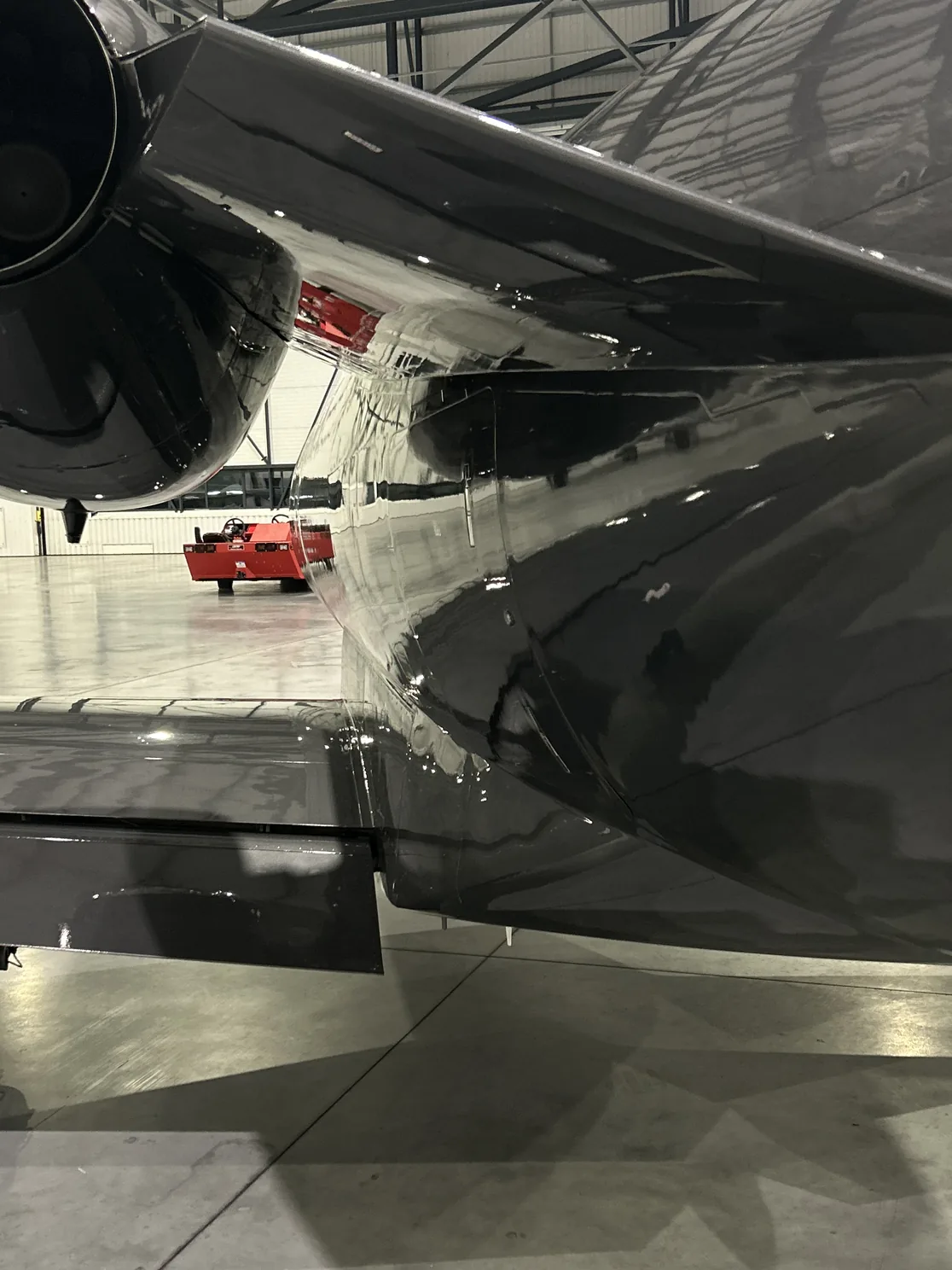
A clean aircraft turns heads on the apron, but valeting frequency isn’t really a question of aesthetics. Every hour your aircraft spends in the air or sitting on a stand, it’s accumulating contaminants - jet exhaust, hydraulic mist, brake dust, insect strikes, salt-laden air, and the residue from de-icing fluids. These aren’t just unsightly; they’re actively working against your paint, your seals, and your metal surfaces.
The longer contaminants sit, the harder they are to remove and the more damage they do. That’s why valeting frequency should be driven by exposure, not by the calendar alone.
Frequency by Usage Pattern
The right schedule depends almost entirely on how the aircraft is being used. Here’s how we typically approach it:
- High-utilisation charter and corporate aircraft: A light exterior wash every 7-14 days, with a full interior and exterior clean (Level 2 interior and exterior) every 4-6 weeks. Aircraft running frequent rotations in and out of busy hubs like Biggin Hill, Farnborough, or Luton accumulate grime fast - especially around areas like the belly, leading edges, and wing undersides.
- Privately owned aircraft flown regularly: A monthly exterior and interior clean paired with a quarterly deeper treatment (at least a Level 2 from our services) is usually the sweet spot. This keeps paint protected without over-servicing an aircraft that isn’t flying daily. Applying a coating to the aircraft makes ongoing maintenance significantly easier between visits.
- Privately owned aircraft flown occasionally: Even if your aircraft only flies a handful of times a month, it still needs attention. Hangar dust, condensation, and bird activity can do real damage. A full clean every 8-12 weeks is sensible.
- Fleet operators: A rotating schedule works best, with each airframe receiving attention based on its individual hours and routes rather than a blanket timetable. Over time, as utilisation patterns become more predictable, we can build a fixed schedule around your fleet’s rhythm.
- Helicopters: Rotorcraft typically need more frequent attention than fixed-wing aircraft due to exhaust patterning and the unique stresses placed on rotor heads and tail booms.
Where You Operate Matters
Two identical aircraft on identical schedules can need very different valeting routines depending on where they’re based. An aircraft operating out of a coastal airfield is dealing with salt-laden air that will accelerate corrosion if it isn’t washed off regularly. An aircraft running short hops between Biggin Hill, London Oxford, and the south coast picks up far more bug strikes and brake dust than one flying long sectors at altitude.
If you’re managing an aircraft that frequently transits busy airports - Biggin Hill, Farnborough, Stapleford, Wellesbourne, or further afield - the cumulative exposure adds up quickly. Frequent operators benefit from shorter intervals between washes, even if each visit is lighter in scope, like a Level 1 clean.
The Cost of Waiting Too Long
It’s tempting to push valeting back when the aircraft still looks fine, but the damage you’re trying to prevent isn’t always visible until it’s too late. Oxidation, paint chalking, corrosion under panels, and degraded interior leather all develop slowly and silently. By the time they’re obvious, the cost of remediation is many times the cost of consistent maintenance.
Regular valeting also gives our team the opportunity to spot issues early and notify you immediately - a lifting decal, a developing corrosion spot, a worn seal - increasing safety and picking things up before they become a snag at the next scheduled inspection.
Building a Schedule That Actually Works
The best valeting schedule is one that fits around your operation rather than fighting it. For charter operators, that often means rapid turnarounds between flights and overnight deep details when the aircraft is on the ground. For private owners, it’s about building a predictable rhythm that protects the asset without creating hassle.
At Xperior Aviation, we work with you to build a schedule around how and where you fly. Whether you need recurring visits at your home base or a last-minute callout before an unexpected VIP movement, we operate 24/7 and provide same-day service. Every visit uses aviation-safe products and is carried out to the same standard, on every aircraft type from light singles to ultra long range jets - because the right valeting schedule is the one that keeps your aircraft protected, presentable, and ready to fly.
Ready to build a valeting schedule that fits your operation? Let’s talk.
Get a Quote