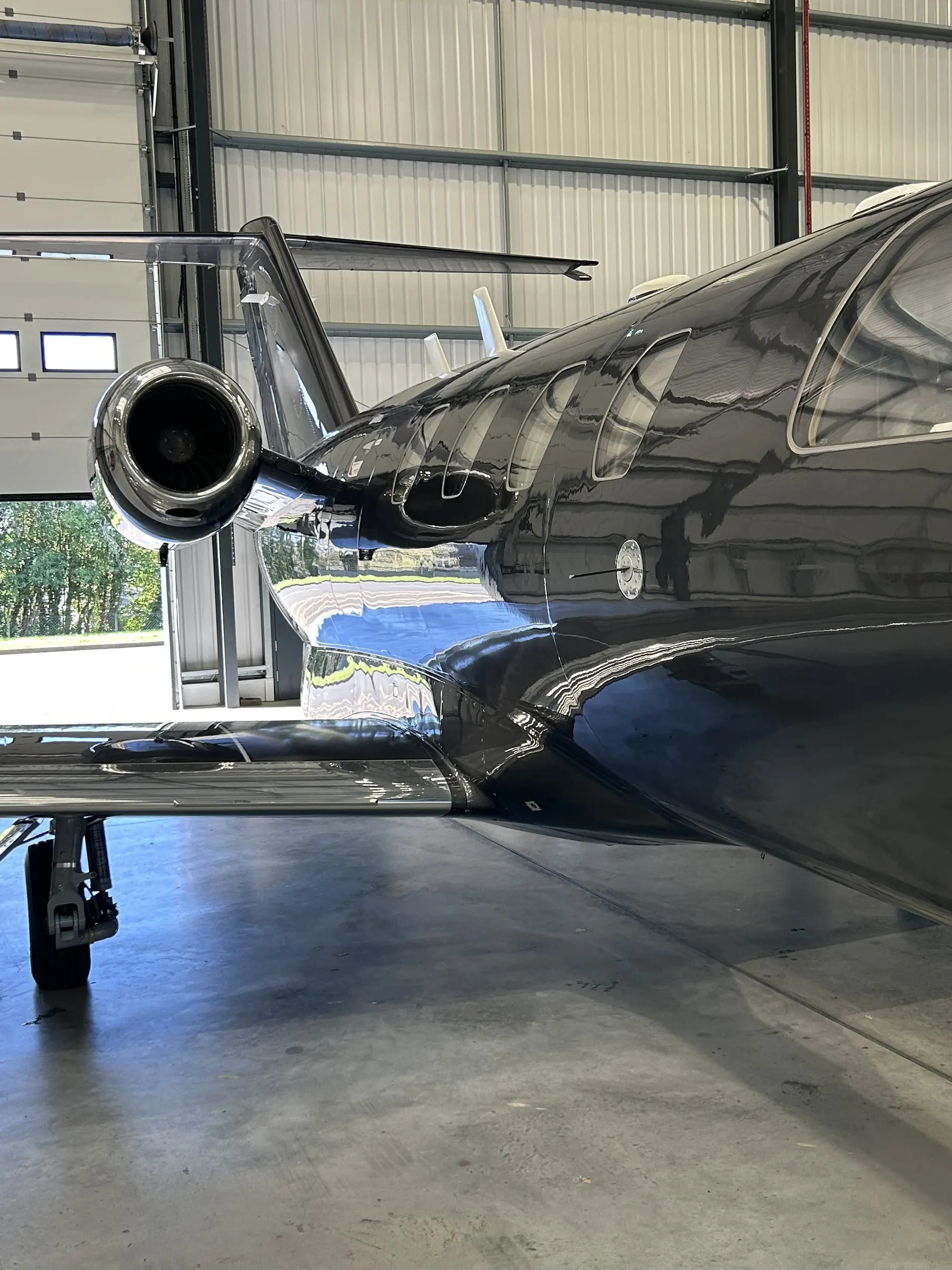
The history of aircraft cleaning began with something much simpler: pilots, mechanics and ground crews keeping aircraft clean as part of their everyday maintenance.
The Early Days of Aircraft Cleaning
When aviation was still in its infancy, aircraft were relatively basic compared with the private jets we see today. Early aircraft used materials such as fabric, wood and aluminium, and there were few products specifically designed for aviation cleaning.
Keeping an aircraft clean generally meant using what was available – water, cloths, brushes and basic soaps.
The purpose wasn’t necessarily to achieve the flawless finish expected from a modern private jet. Cleaning was primarily about removing dirt, oil and other contaminants while keeping the aircraft in usable condition.
Early cleaning methods could also be far less forgiving than modern techniques. Aircraft materials, finishes and seals could be damaged by unsuitable chemicals or excessive scrubbing, helping establish an important principle that still applies today: aircraft cannot simply be cleaned like cars.
As Aviation Developed, So Did Aircraft Cleaning
As aircraft became faster, more advanced and more widely used, keeping them clean became increasingly important.
Jet aircraft introduced new challenges. Exhaust residue, hydraulic fluid, insects, runway debris and environmental contamination could build up on exterior surfaces.
For aircraft owners and operators, cleaning wasn’t simply about appearance. Keeping contaminants under control also formed part of protecting the aircraft’s exterior finishes and helping prevent corrosion.
The importance of corrosion control in aircraft maintenance is well established today, with the FAA maintaining dedicated guidance on aircraft corrosion prevention and treatment.
The Rise of Private Jets
The growth of business aviation during the second half of the 20th century changed the role of aircraft cleaning again.
As private and corporate jets became more common, aircraft were no longer simply viewed as machines for transportation. They became luxury assets, business environments and, in many cases, reflections of their owners and operators.
Aircraft such as the Learjet helped popularise business aviation, while private aircraft became increasingly sophisticated inside and out.
This created a greater demand for specialist private jet cleaning. FBOs and airport ground-service providers could offer basic washing and cleaning as part of their services, while dedicated teams increasingly took on more detailed appearance work.
The aircraft didn’t just need to be clean. It needed to look exceptional.
From Aircraft Washing to Aircraft Valeting
Over time, the industry moved beyond basic washing.
Aircraft cleaning began to incorporate techniques familiar from the automotive detailing world, including polishing, paint correction, leather care, interior restoration and protective treatments.
This is where modern aircraft valeting began to take shape. Instead of simply removing dirt, professional aircraft detailers could restore the appearance of surfaces and maintain them between flights.
The same philosophy applies today. A routine aircraft clean might involve removing insects, exhaust residue and general contamination, while a more comprehensive detail can include deep interior cleaning, leather treatment, carpet and upholstery care, exterior polishing and paint protection.
Modern aircraft detailing companies across the UK now provide dedicated interior and exterior cleaning for private aircraft, business aviation and charter fleets.
Why Private Jet Cleaning Requires Specialist Knowledge
A private jet may look similar to a large vehicle from a distance, but cleaning one is very different from cleaning a car.
Aircraft have sensitive components, specialist materials and areas that must be treated carefully. Cleaning products need to be appropriate for the aircraft and the surface being treated.
Modern aircraft detailing therefore relies on specialist products and procedures designed around aviation materials. The exterior can contain painted surfaces, windows, composites and metal components, while the cabin may feature expensive leather, wood veneers, carpets, plastics and other bespoke finishes.
Even something as simple as cleaning around an aircraft’s exterior sensors, ports or engine areas needs to be approached carefully. In some circumstances, preparing an aircraft for cleaning or carrying out associated procedures can fall within maintenance or preventive-maintenance requirements.
The Modern Era of Private Jet Valeting
Today, private jet valeting has become a specialist service in its own right. Aircraft can receive anything from a quick turnaround clean before the next flight to a full interior and exterior detail.
Exterior services may include:
- Aircraft washing and dry washing
- Bug and exhaust residue removal
- Paintwork decontamination
- Polishing and paint correction
- Metal and brightwork polishing
- Wax and protective coatings
Interior services can include:
- Deep cabin cleaning
- Leather cleaning and protection
- Carpet and upholstery cleaning
- Wood and trim care
- Galley and lavatory cleaning
- Detailed cockpit cleaning
The emphasis is no longer simply on making an aircraft look clean. It’s about maintaining the condition, presentation and value of an extremely expensive asset.
Aircraft Cleaning in the UK Today
The UK has a thriving business aviation sector, with private aircraft operating from airports and private airfields across the country.
As a result, aircraft cleaning in the UK has evolved into a professional, mobile industry capable of working around aircraft schedules and airport operations.
Specialist companies now provide aircraft valeting and detailing at locations across the UK, including major business aviation airports and private airfields. Services can be arranged around an aircraft’s schedule, whether it requires a routine clean, a deep detail or preparation before an important flight.
From Soap and Water to Specialist Detailing
The basic idea behind aircraft cleaning hasn’t changed much in more than a century: remove contamination and keep the aircraft in good condition.
What has changed is everything around it. Today’s aircraft are more advanced, their interiors are more luxurious and their finishes are more sophisticated. The cleaning process has therefore evolved from a simple maintenance task into a specialist service combining aviation knowledge with modern detailing techniques.
From the early days of pilots and mechanics wiping down aircraft by hand to today’s professional private jet cleaning and aircraft valeting services, the industry has come a long way.
And as private aircraft continue to become more luxurious, aircraft detailing will remain an important part of keeping them looking – and feeling – as impressive as the day they first entered service.
Looking after a private aircraft? We provide interior and exterior valeting for private, business and charter aircraft across England, arranged around your schedule.
Get in touch