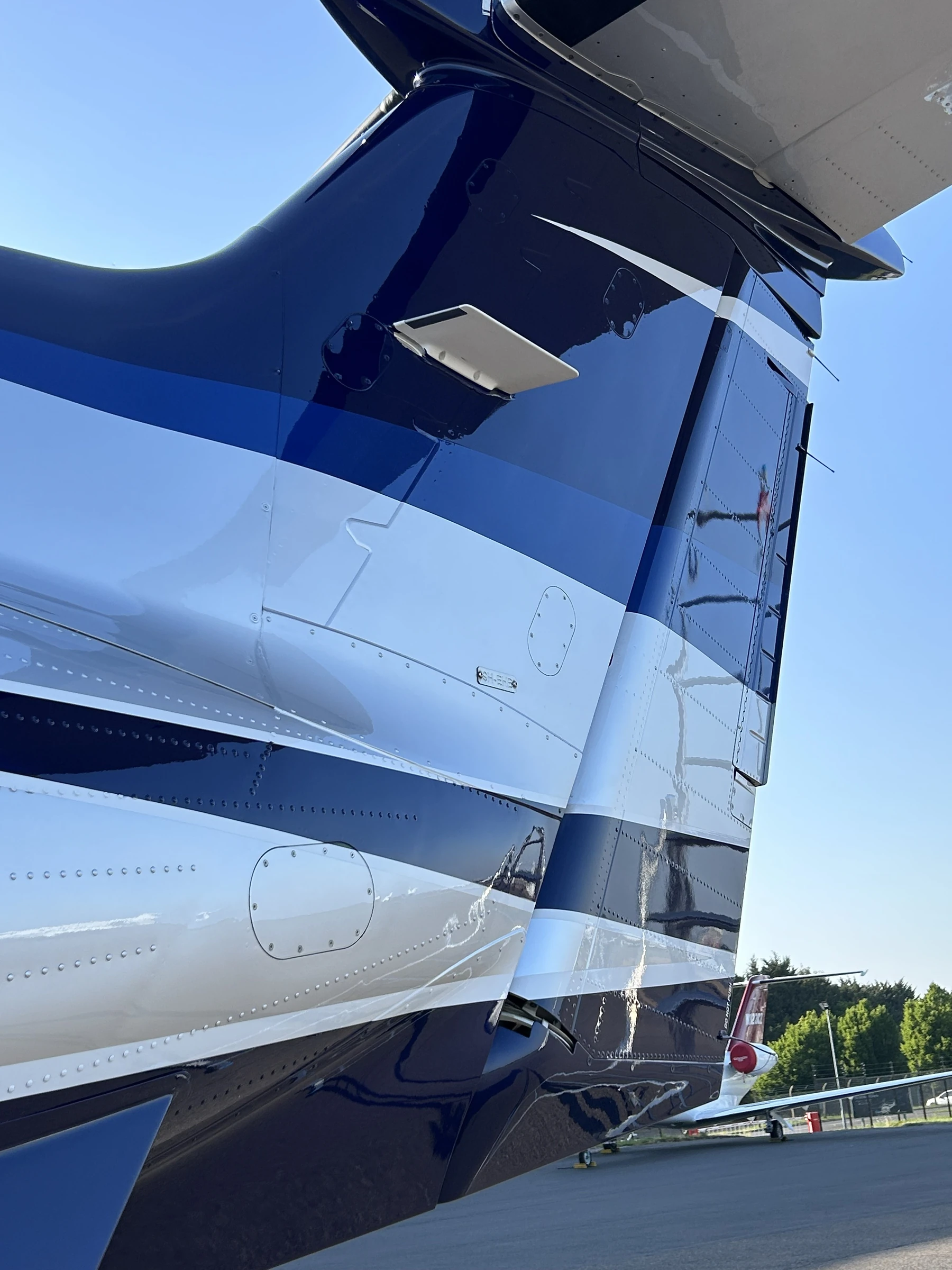
Aircraft cleaning at Cornwall Newquay - the most exposed apron we cover.
Exterior and interior work at Cornwall Airport Newquay (EGHQ / NQY). An Atlantic clifftop apron, a 2,744 metre runway and a long day. From 5 hours 30.
Urgent? Call us directly - 0333 404 7908
Parked on a clifftop, four miles from the Atlantic.
Newquay sits on the north Cornish coast with very little between the apron and the sea. Aircraft parked here take salt-laden air continuously, not just in bad weather. If an airframe is based in Cornwall, washing it is corrosion control before it is anything to do with how it looks.
Atlantic salt, constantly
This is the most salt-exposed apron on our list. Onshore wind carries salt across the airfield year round, and it settles into seams, fasteners and control surface gaps where it holds moisture against the metal.
Honest about the distance
Newquay is a long way from us and we say so: 5 hours 30 notice. For a based aircraft that makes a standing schedule far more sensible than occasional callouts, and cheaper too.
A runway that takes anything
At 2,744 metres Newquay accepts the largest civil and military aircraft, so the traffic ranges from light types to widebodies. We size the job to the airframe.
A long operating day
The airport runs 06:45 to 21:30 on weekdays and from 07:00 on Sundays. That is a genuine working day and leaves real room either side of your flying.
The airport sits at Mawgan in Pydar, a few miles north east of Newquay on the north Cornish coast. It was RAF St Mawgan until civil operations took over the runway, and it retains the scale that came with that: a 2,744 metre runway and over 850 acres, making it one of the largest regional airports in the UK by footprint. It is also home to the UK’s first licensed spaceport. The traffic is genuinely mixed - airline, business aviation, military exercises, training and maintenance. What matters for cleaning is simpler: this is a clifftop airfield on the Atlantic, and salt is on everything.
On a fast turnaround, the clean has to fit the window you have - not the other way round.
Exterior: from quick between-flight wash-downs to full rinseless washes, belly degreasing, brightwork polishing and sealant application.
Interior: from fast cabin resets to deep cleans with leather conditioning, carpet extraction and full galley and lavatory sanitisation. Every product is aviation-approved and matched to the surface it touches.
A single pre-departure clean, or a managed schedule for a based aircraft - the result is the same: a trained crew, a checklist standard, and a completion report noting any damage with before-and-after photographs sent to your inbox.
What’s the job at Newquay?
Tell us what you’re working with.
Work from the ramp
How it looks when we’re done.
Drag the slider to compare before and after. As Newquay jobs join our portfolio, they'll feature here.
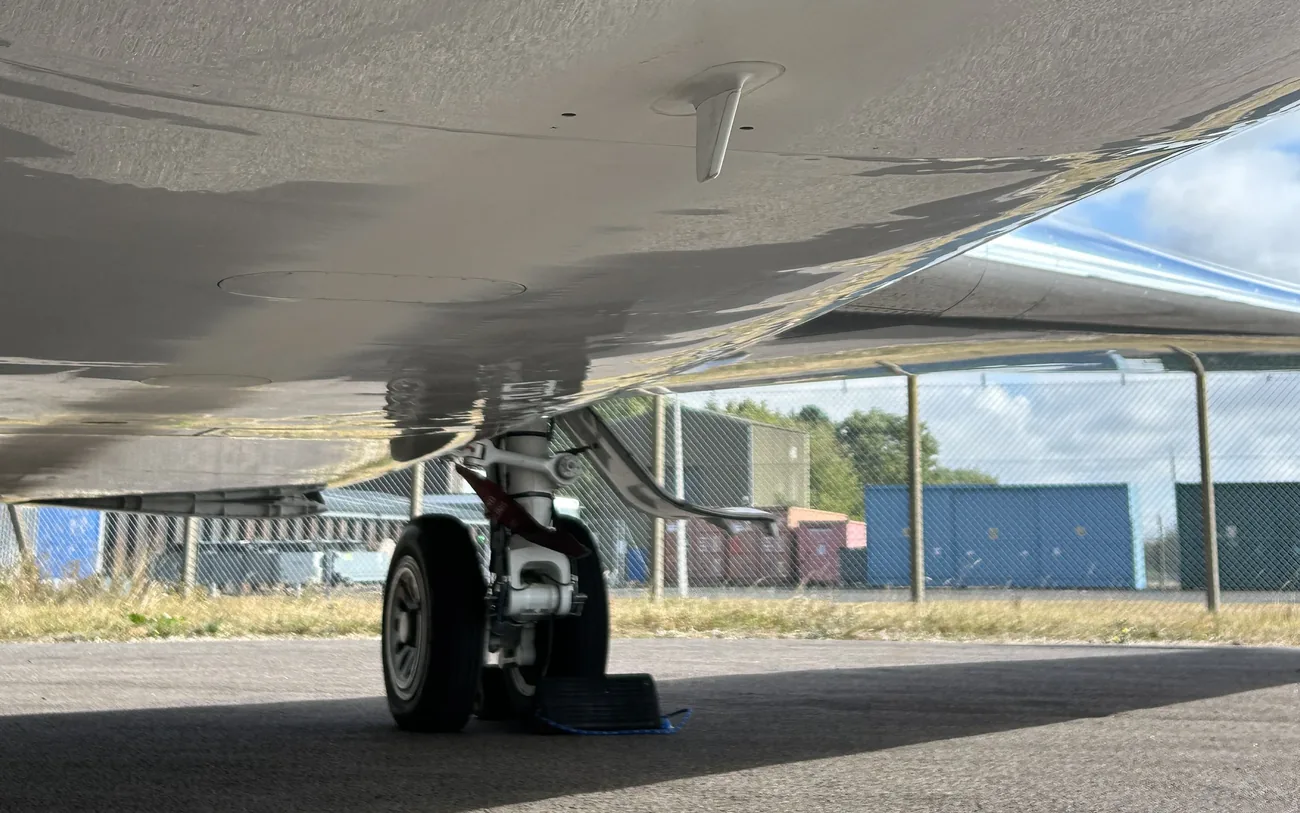
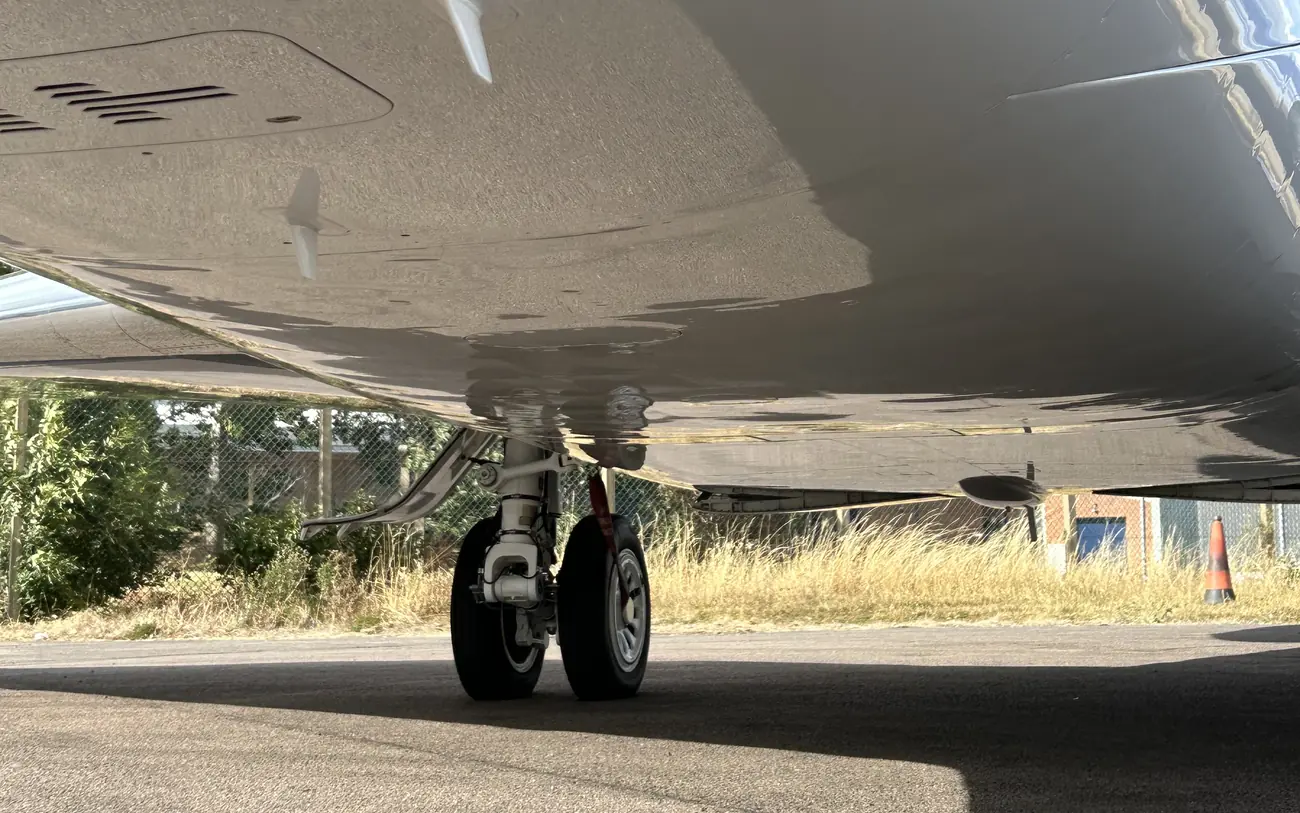
Exterior Valeting - Belly wash, degrease & sealant
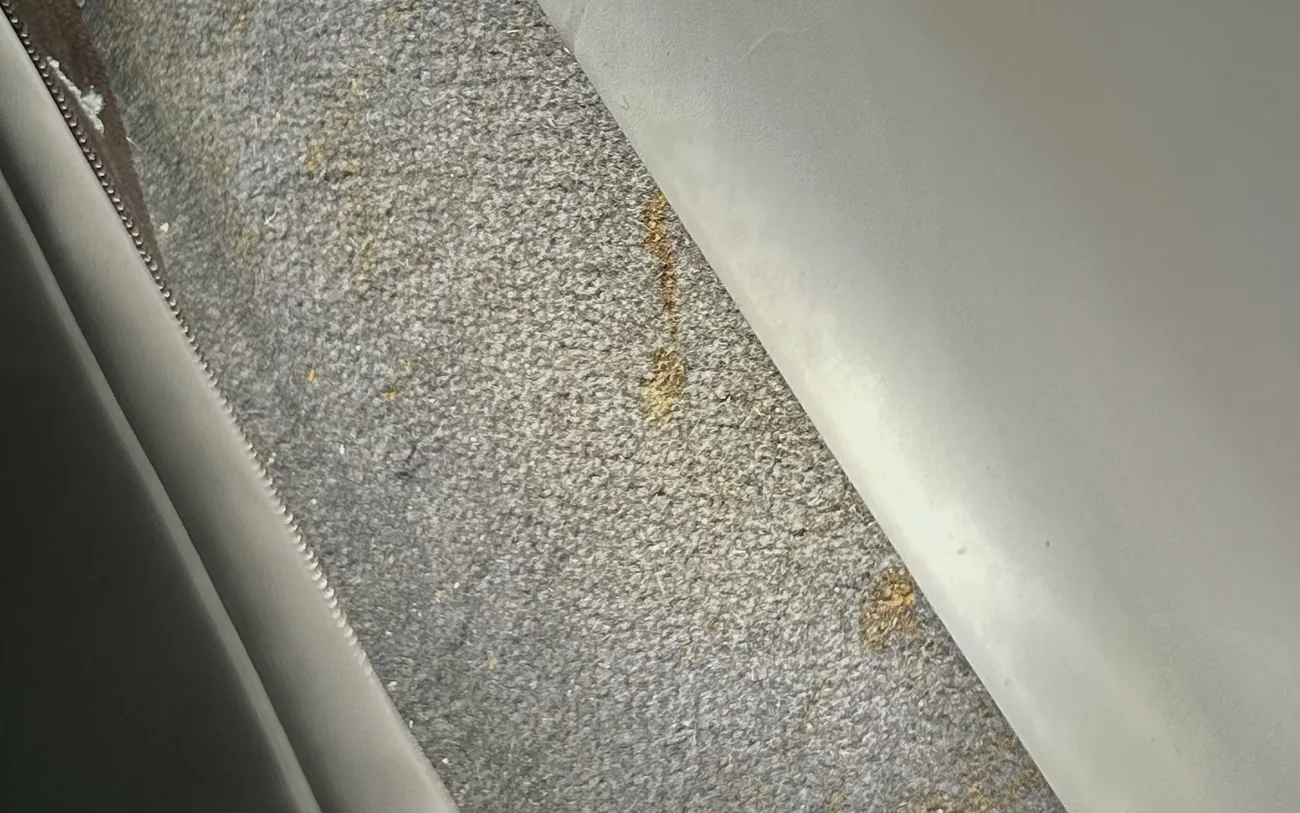
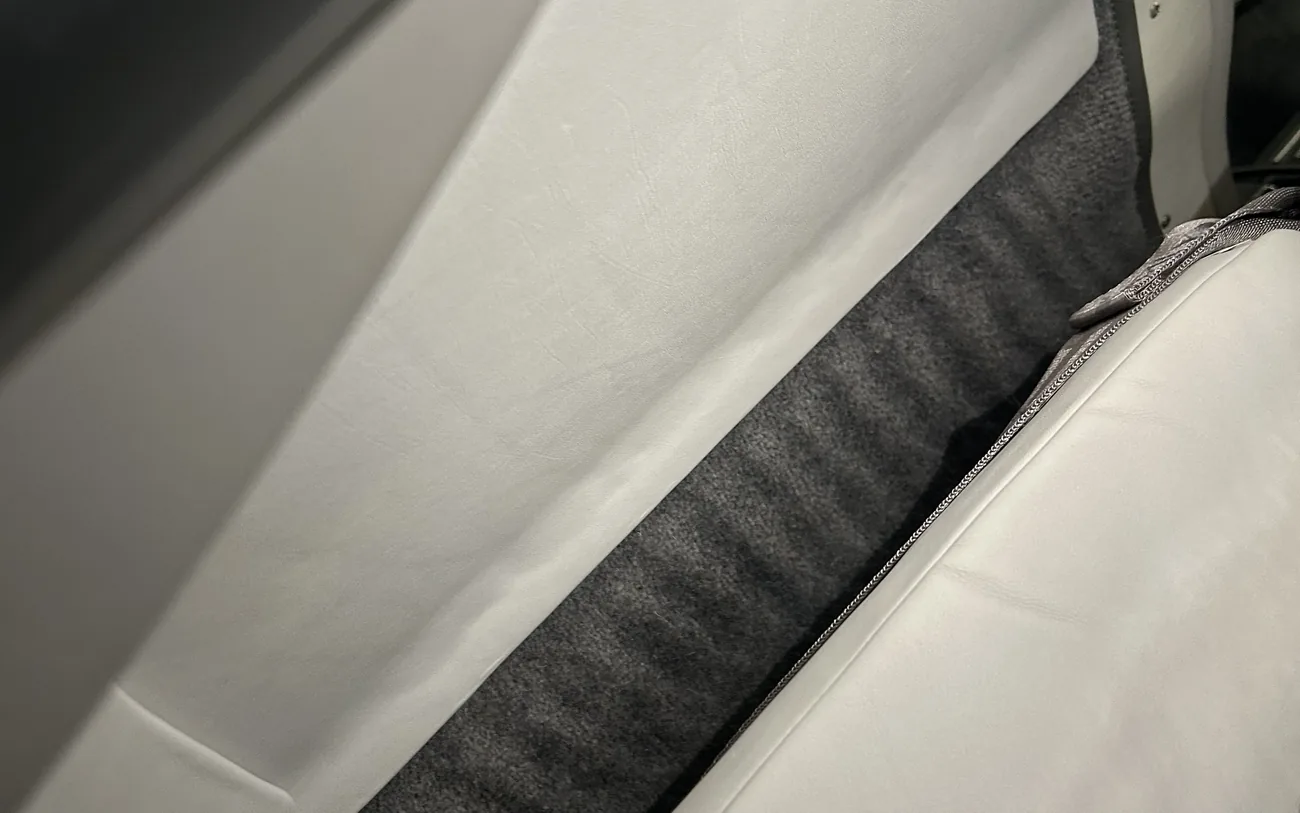
Interior Valeting - Deep clean & stain removal
Every job is signed off with a completion report - work completed area by area, photos of problem areas and the result, and any pre-existing damage we spotted flagged to you. You get the report whether you were on site or 3,000 miles away.
Start to finish
Three steps from first call to flight-ready.
Share the aircraft details
Let us know the type, tail number, the clean you need and your timings. Sixty seconds and it's with us.
Fast confirmation
You'll have availability and a tailored price back quickly. For short-notice work a crew can already be heading to Newquay while we finalise it.
Detailed, then documented
The crew arrives on time, follows a set checklist across the whole airframe, and a photo completion report is in your inbox before you've landed.
Request a price
Tell us the date and we’ll do the rest.
Tell us what your aircraft needs at Newquay and we'll come straight back - usually within the hour during operating times.
FAQ
What operators ask us about Newquay.
We work to 5 hours 30 notice at Newquay. That is the drive and we would rather state it plainly than promise something we cannot hold. For based aircraft, a standing schedule works far better than callouts.
The apron sits a few miles from the Atlantic on an exposed north coast. Onshore wind carries salt across the airfield continuously, and salt holds moisture against paint and metal in seams and around fasteners. Regular washing here is corrosion control.
More often than one kept inland. We will recommend an interval based on how exposed the parking is and how the aircraft flies - an airframe left outside on this coast needs attention on a schedule, not when it starts to look tired.
Yes. The 2,744 metre runway takes the largest civil and military types and the traffic reflects that. We scale the crew and the time to the airframe rather than quoting one figure for everything.
Yes - Exeter, Bristol and Bournemouth along with Gloucestershire, Southampton and Cotswold Airport. Newquay is the furthest point we reach, and we are straight about what that costs in notice.
Newquay at a glance.
A little context on the airport your aircraft is parked at.
A 2,744 metre runway
Newquay has one of the longest runways of any UK regional airport, able to take the largest civil and military aircraft.
Formerly RAF St Mawgan
The runway was operated by RAF St Mawgan before civil operations took it over, which is why the infrastructure is larger than the passenger numbers suggest.
The UK’s first spaceport
The airport hosts Spaceport Cornwall, the UK’s first licensed spaceport, alongside its ordinary aviation business.
Over 850 acres
The site covers more than 850 acres, making it one of the largest regional airports in the country by footprint.
On the Atlantic coast
The airfield sits on the exposed north Cornish coast, a few miles from the sea - which is the single most important fact for anything parked outside.
A mixed traffic airfield
Newquay handles airline, business aviation, military, training and maintenance traffic rather than specialising in one.
Also on our list